
以下内容非纸飞机成员写作 . 可向左滑动查看英文
01 简介Introduction
女权主义者意味着什么?女权主义是什么意思?牛津词汇词典将女权主义定义为“在两性平等的基础上倡导妇女权利”(“女权主义”)。自14世纪末以来,世界各地的公民一直在挑战男女之间的不平等待遇,推动文化和政治改革。
What does it mean to be a feminist? What is the meaning of feminism? The Oxford Lexico dictionary defines feminism as “the advocacy of women's rights on the basis of the equality of the sexes” (“Feminism”). Ever since the late 14th century, citizens around the world have challenged the unequal treatment between men and women, pushing for cultural and political reform.
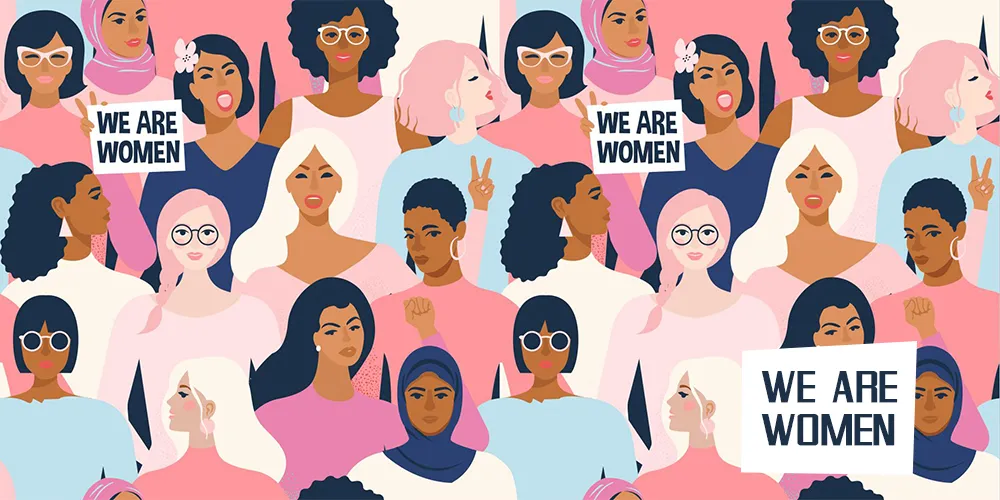
在美国,女权运动通常分为三波:第一波女权主义,着重财产权和选举权;第二波女权主义,着眼于男女平等;第三波女权主义,着重于重建女性的文化水准。2012-2018年可能是关注性骚扰和性侵犯的第四波女权主义,尽管有待争论是否将其视为另一种女权运动。
In the United States, feminist movements are typically divided into three waves--first-wave feminism, focusing on rights of property and suffrage; second-wave feminism, focusing on equality between men and women; and third-wave feminism, focusing on the reconstruction of cultural standards for women. Arguably, 2012-2018 can be the fourth-wave feminism focusing on sexual harassment and assault, although it is up to debate whether it is considered as another feminism movement.
在美国女权主义已经取得了长足的进步,但妇女仍然面临歧视和不平等现象。为了有效地识别和解决当今妇女面临的问题,有必要了解历史上的女权运动及其如何改变社会。
Despite making great advancements as a nation, women still face discrimination and inequality due to their sex in the United States. To effectively identify and solve problems women face today, it is necessary to be informed of the feminist movements in history and how they changed society.
02 第一次女权运动the 1st wave of feminism
从19世纪末到20世纪初,第一波女权主义的特征是争取妇女在投票权方面的政治权力。废奴主义者Lucretia Mott和Elizabeth Cady Stanton在1848年组织的塞内卡秋天公约通常被称为第一波女权主义的开始(“简史”)。这是在美国举行的第一届妇女权利大会,讨论了“妇女的社会,公民和宗教的情况与权利”(格雷迪)。该公约以平等决议的清单结尾,其中包括投票权。
The first-wave of feminism, starting from the late 19th century to the early 20th century, is characterized by fighting for women's political power in terms of voting rights. The beginning of first-wave feminism is often noted as the Seneca Fall convention in 1848, organized by abolitionists Lucretia Mott and Elizabeth Cady Stanton (“A Brief History”). It was the first women’s rights convention held in the United States, discussing “the social, civil, and religious condition and rights of women” (Grady). The convention ended with a list of resolutions for equality, including the right to vote.
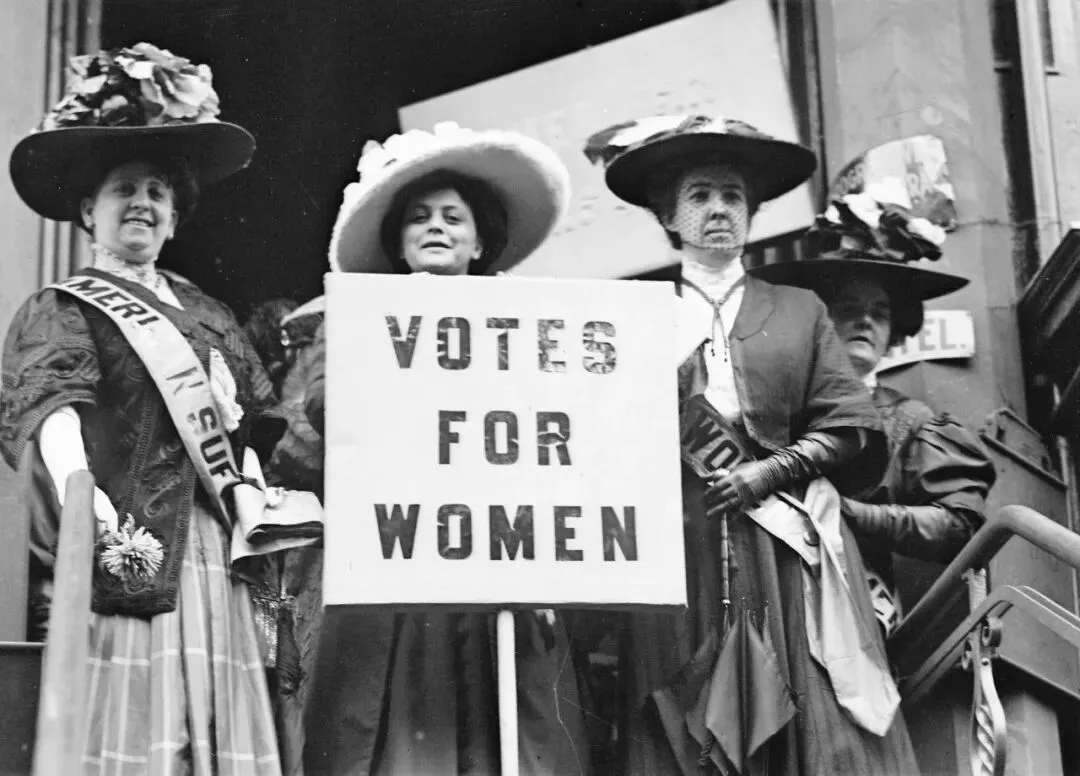
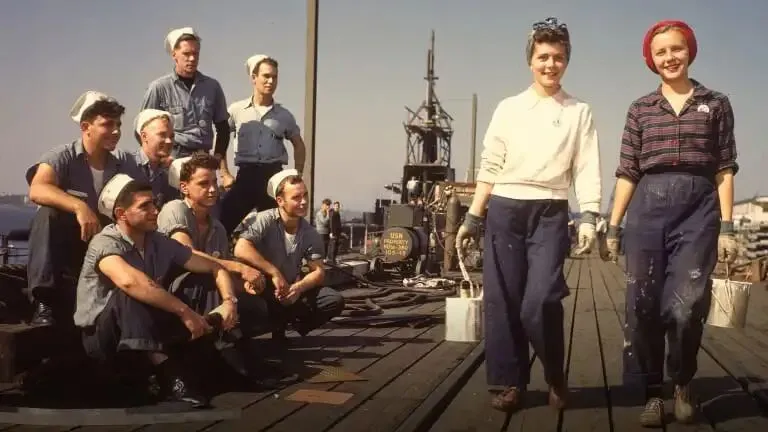
在此期间,许多有色人种的妇女作为维权人士争取着妇女选举权。但是,第一波女权主义是基于种族主义者的观点发展其思想和目标的。赋予了黑人投票权的第15条修正案进一步推动了白人妇女争取妇女参政权。正如伊丽莎白·卡迪·斯坦顿(Elizabeth Cady Stanton)所说:“这是一个严重的问题,我们是否最好站在一边,先看看’三宝 (’Sambo’)’先进入王国”(Head)。从1910年代到1920年代,大量的男人因为第一次世界大战被征兵,许多妇女接任了他们之前所担任的工作。这提高了妇女在社会中所拥有的权力,让妇女选举权的运动再次出现。这导致国会批准第19条修正案,赋予了妇女选举权。但这条法案主要帮助了白人妇女,黑人妇女仍然难以投票。
During this time, many women of color worked as women’s rights activists and for women’s suffrage. However, the first wave of feminism developed its ideas and goals based on racists views; the ratification of the 15th amendment, granting black men the right to vote further pushed white women in fighting for women’s suffrage. As Elizabeth Cady Stanton put it: “it becomes a serious question whether we had better stand aside and see 'Sambo' walk in the kingdom first” (Head). From the 1910s to the 1920s, many women took over jobs traditionally held by men who were drafted into World War I. This raised the power women held in society, and movements of women’s suffrage reemerged. It led to the ratification of the 19th amendment, which granted women the right to vote. However, it mainly helped white women as it was still difficult for black women to vote.
03 第二次女权运动the 2nd wave of feminism
发生于60至90年代的第二次女权运动的着重点在于平等和反歧视。1963年,由贝蒂·弗里丹撰写的《女性的奥秘》导致了第二次女权运动的开展。《女性的奥秘》突出强调了将女性限制于家庭主妇所导致的社会性问题。这本著作引起了全国女性的共鸣,并指引了以白人中产女性为首的平权运动。同时,于1968至1969间在亚特兰大举行的美国选美节目引起了第二次女权运动的发生。
From the 1960s to the 1980s was the second wave feminism, characterized by fighting for equality and anti-discrimination. The 1963 book The Feminine Mystique written by Betty Friedan’s stimulated the beginning of second-wave feminism. The Feminine Mystique highlights the societal problem of restricting women as housewives. The book resonated with women across the nation and aspired white middle-class women in fighting for equality. The Miss America Pageant taking place from 1968-1969 in Atlanta also contributed to the beginning of second-wave feminism.
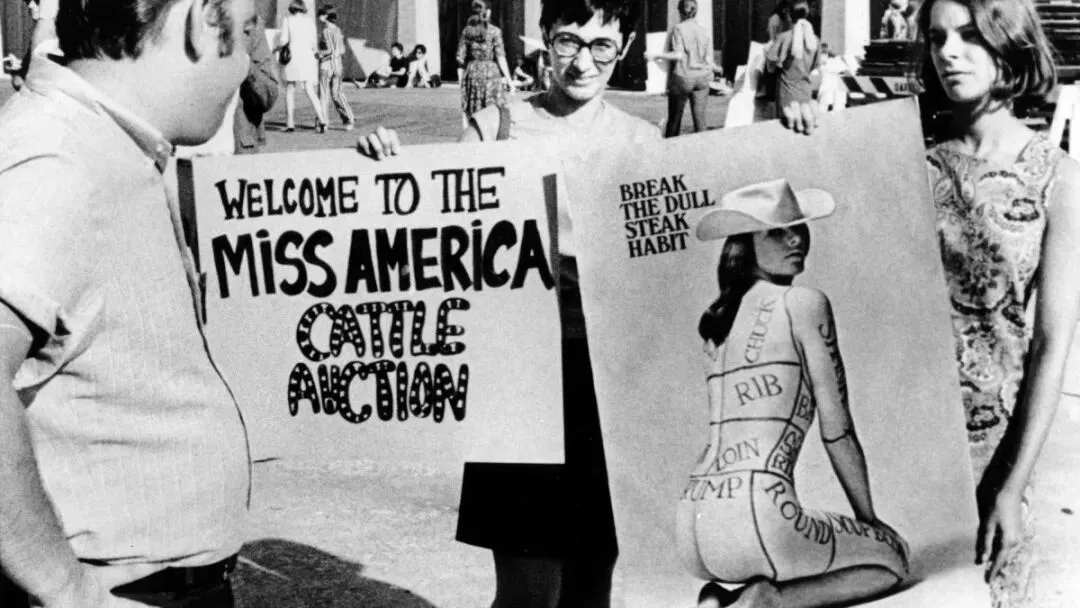
女权主义者们在1968年团结一致,要求着以下目标:对于性侵犯和家庭暴力的解决方案、平等工作机会、和生殖权利(Anand)。这次运动成功获得了法律改革,例如1963年的同酬法案和 1973年的堕胎合法化(Grady)。类似于第一次女权运动,第二次运动的主要领导人皆为白人中产女性。由于这一团体和其他女性团体(比如非裔女性)有着不同的优先考虑事项,女权组织中也时常有着不可开交的矛盾。
Feminists protested together in 1968, and goals of second-wave feminism included: sexual and physical assault, workplace equality, reproductive rights, and domestic violence (Anand). The movement successfully made legal reforms, from the Equal Pay Actof 1963 acknowledging and abolishing inequality wage base on sex, to the 1973 Roe v. Wade case that legalized abortion (Grady). Similar to the first wave of feminism, movements were mainly led by middle-class white women. The priorities of these women are often different from the priorities of other female groups, causing a certain hostility between the two groups.
04 第三次女权运动the 3rd wave of feminism
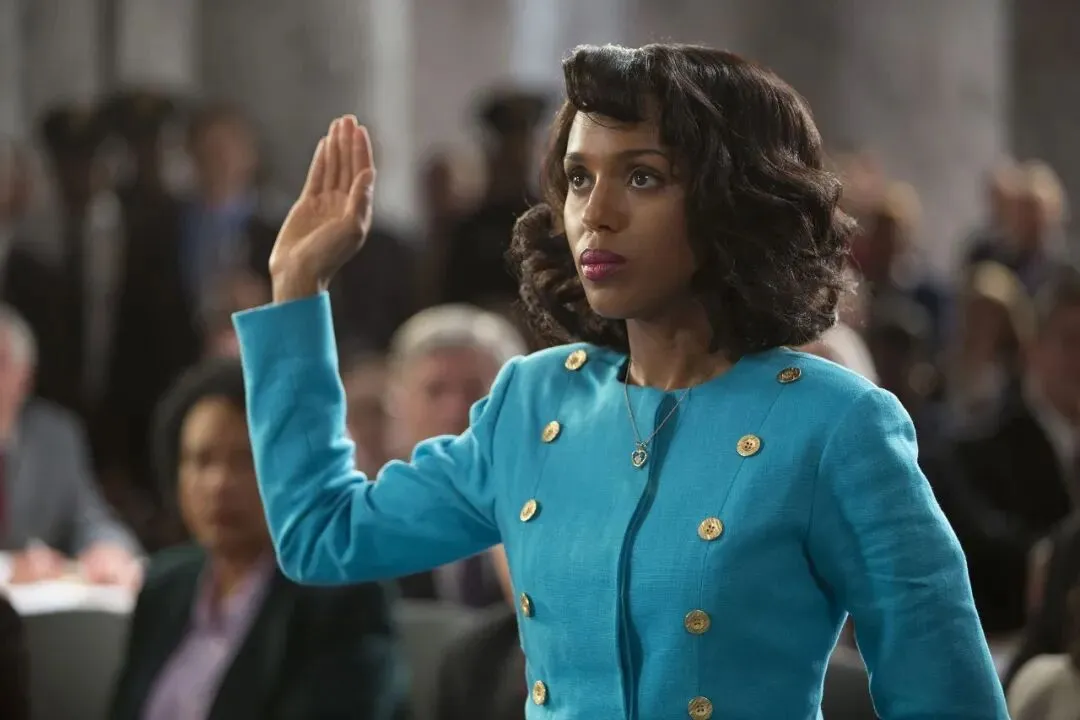
从90年代开始的第三次女权运动的目标在于对女性文化标准的改革。然而,相比于第一次和第二次运动,第三次运动的宗旨则更为模棱两可。在1991年,一名非裔教授,安妮塔·希尔,以性侵犯起诉了她的辅导员克拉伦斯·托马斯。因此事件,第三次女权运动拉开了帷幕(Pruitt)。托马斯的罪行被确证后,希尔的成功案例激励了同样经历过性侵的女性之间的热烈讨论。
The goal of third-wave feminism, starting from the 1990s, can be described as focusing on reforming the cultural standards of women. However, the central objective of third-wave feminism is less clear than those of first and second-wave feminism. The beginning of third-wave feminism can be marked by Anita Hill’s case in 1991: the African-American professor Anita Hill accused her counselor, Supreme Court nominee Clarence Thomas, of sexual assault (Pruitt). Although Thomas was confirmed, Hill’s case sparked conversation amongst women, who had similar experiences of sexual assault.
这导致了国会通过《1991年权法案》,限制了职场内的歧视,并加强了对性侵犯的法律规范(Saltzman)。从政治的层面来看,1992年女性代表人数迅速增长,赋予了1992年‘妇女之年’的称号(Grady)。不同于以往的女权运动,第三次女权运动全面概括了女权主义者的特点和想法。对于2017年的#MeToo运动有着众说纷纭的讨论。有些人认为这次运动属于第三次女权运动,而另一部分人称之为第四次女权运动的伊始。
This caused Congress to pass the Civil Rights Act of 1991, limiting discrimination in the workspace due to race and providing better legal support for sexual harassment (Saltzman). Politically, women representation increased a great number during 1992, giving it the title “The Year of Women” (Grady). Unlike some parts of the previous feminism wave, third-wave feminism fully embraces feminine features and ideas. Some consider the popularization of the #MeToomovement in 2017 as apart of third-wave feminism,as some others consider it as the new fourth-wave feminism.
05 女权运动与性教育feminism and sex education
女性的生育权利是第三次女权运动中着重争取的目标,同时解释了性教育对于女性的重要性。在一些贫穷和不发达的地区,许多女孩会因为未曾了解过自己身体的功能性和错误的性观念,感到无法接受自己的身体。性教育为女性提供了对自己身体的了解和知识,以及让她们更好的接受自己的身体。此外,性教育会正确教导女孩们保护自己的方式。
The reproductive right is a topic discussed and fought about throughout the movements, which connects to why sex education is an important topic for girls. Sex education is significant for women as it helps them understand how their body works and helps them better embrace it. Many girls in less privilegedor less-informed areas may find it difficult to accept their body functions without fully understanding its functions. Furthermore, learning sexual education help girls learn how to protect themselves.
纸飞机说说
纵观中西,每一个发展出采集狩猎模式的社会大都成为了父权社会。在这样的环境中,女性和其他性少数群体的身心健康在相比之下也比男性因种种原因更受威胁和压迫。
在心理健康方面,性别差距尤其显著。女性产生抑郁,焦虑和与身体和食物有关的症状相对男性更为频繁。每三位女性中就有一位拥有以上不同程度的心理健康问题,导致了一个全球公共健康危机。比较男性,有两点五倍多的女性患有单向情感障碍,被预测为2020年第二常见的disability。大家比较熟知的抑郁症是女性群体中最常见的心理健康问题,也相比在男性群体中更加常见。
这些心理健康数据很可能与女性的生理安全有着密切的关系。资料显示,31%的性侵犯受害者(这可以是言语、肢体上的侵犯,可以是重度也可以是轻度)都会产生PTSD、抑郁等心理健康的症状。而世界卫生组织表明,超过33%的女性经历过不同程度上的性侵。这比起男性的数据高出很多很多。具体来说,如果你的家人有三位或三位以上是女性,他们其中有一位就有这种经历。
小编一下子抛出这么多数据,大家的反应也许有三种。「女性和男性挺平等的啊,2021年了怎么还在说这件事啊?」「女性就是比男性弱,这很正常。」或者,「我觉得我身边没有人/我自己没有被性侵犯被歧视啊,与我无关。」
其实我以前也是这么想的。作为大城市长大、不需看见社会险恶的00后,直到出国上高中后才真正意识到,作为一个女生在这个地球上生存是多么的不易(无法独自去很多国家旅游,各种能力在各种场合都无法被认可,甚至在校园环境中都容易被不尊重)。但是导致这一现象有哪些因素呢?(声明:以下只是茫茫无际因素中的小小一角)
①
大家熟知的偏见和刻板印象
看神舟十二号发射的时候,我的程序员科学家兼想当宇航员的运动健将姐姐就说,为什么干这么酷的事情的都是男性,没有一个女孩儿?什么时候women in STEM 才能崛起?
虽说我不是理科生,但是作为一个80%的朋友都是理科生的小朋友,我发现作为一个女孩儿在相关行业里出人头地真的很困难,特别是比较保守的环境下。人们对女性的刻板印象包括:数学不好、很感性不负责任,所以做不好科研。对我这种被优秀理科生包围的小盆友来说,这样的言论肯定不攻自破,但社会上有太多太多的人依然坚信这些等许多其他刻板说法,并把它们不正当地运用到招聘与社会交往中。
②
对女性身体/身份的物化和不尊重
留学圈对国外的hookup culture应该已经熟知。Hookup culture,或“炮友文化”,是宣扬没有感情而只发生性关系的流行文化。
以我所见,要是没有伤及他人,hookup culture本身毫无问题。但“不伤及他人”这件事在此文化中几乎无法做到。而伤及之人往往是女孩。
不论国内外,许多人对恋爱或者性关系中必要的尊重和consent(双方同意)并没有非常明确的认知。伴随着女性和男性之间因父权社会而产生的性别势力不平等(imbalanced power dynamics),女性往往就成为了hookup culture中的受害者,无法拒绝也没有能力拒绝不想要、缺乏尊重、没有双方consent的肢体关系。
在此文化内外,物化女性身体/身份的行为还非常常见,这包括在社交媒体和日常生活中。
说说我自己的列子:在学校有一个男孩喜欢我,他没有跟我说,反倒跑去问我的男性朋友他们允不允许他跟我在一起。我的男性朋友说允许,然后喜欢我的男孩就跟其他人表示他对我"call dibs",意思就是现在只有他可以喜欢我了。听说这件事后,我满脸问号并跟他谈话并拒绝。可能表明上看起来没有什么,但作为当事人,感觉就被物化成了一个玩具或稀奇物品一样;本该由我做主的事情,我一句同不同意允不允许还没说,就已经莫名变成一个“专属物”???这样的情况在他人身上更加数不胜数。
③
内在化性别歧视
以上聊到的性别偏见和物化与心理、生理健康皆关系重大。内在化性别歧视(Internalized Misogyny/Sexism)在女性群体中非常常见。内在化性别歧视是当女性将父权社会给女性贴上的种种标签内在化,开始不由自主相信与接受所有有关自己的偏见和歧视,即使它们是错误的。内在化性别歧视有许多后果,比如本不必要的自卑感,容貌焦虑,无助感和迷茫。虽然这样的情形在慢慢减少,被内在性别歧视所支配的女孩儿还是常常会为了争取男性的眼球或认同敌视其他的女性,用父权社会的标注恶意评价、歧视、攻击本该是同盟的同性。
记住:empowered women empower women! 自主强壮的女性才能更好地支持其他女性!不要让险恶的社会环境伤害你心理生理上的自信与强大。
本文原载于微信公众号「纸飞机计划」,发表于 2021-07-01。查看微信原文